When AI takes the clients who used to pay your rent
The client did not leave for a cheaper agency. Peer notes from service owners on losing routine work to AI tools and what they are trying next.
A founder who runs a small design and development studio sits down at the IFN meetup table and reads an email aloud from their phone. It comes from their best client, the one who has sent steady work for years. The tone is warm. The client thanks them for everything and says they will handle this kind of work in-house from now on. Someone asks who they hired. Nobody. In-house means a chat tool and a staff member who types requests into it. The table goes quiet for a moment. Then a few other people say something similar happened to them this year.
Some version of this comes up most months now. It usually comes from service owners and solo founders: designers, developers, writers, translators, and marketers who built a craft and then built a business around it. Many of them are immigrants who already rebuilt that craft once when they moved here. This post shares peer notes on what the loss feels like and what owners in the room say they are trying. It is not a tip sheet for using AI, and it is not financial or career advice.
Disclaimer
This is not legal, tax, financial, or career advice. IFN shares what founders in the room tend to talk through. Client contracts, intellectual property terms, and decisions about your business and income all depend on your facts. Verify with licensed professionals and official sources before you act.
What is leaving first
The client did not move to a cheaper agency. They opened a chat window, tried it on a task, and decided the result was close enough.
When owners look back at the work they lost, they often see the same pattern. The routine, repeatable work went first: the third version of a banner, the standard landing page, the first-draft translation, the monthly report that looked like last month's. That work was rarely the most interesting part of the business. It was often the part that paid the rent, because it came in every month without much selling.
Nobody at the table claims to know which jobs will disappear, and people who say they know are usually guessing. What owners can see is their own invoices. Many of them can point to the line items that have thinned out.
The Leapers 2025 report on UK freelancers found 33.2% feel their career has already been negatively impacted by AI. That survey covers the UK, and Austin is a different market. Still, the figure fits the mood in the room. People are not talking about some future risk. They are describing something that already happened to them.
What clients still pay for
When owners compare notes on the clients who stayed, the reasons sound alike across very different trades.
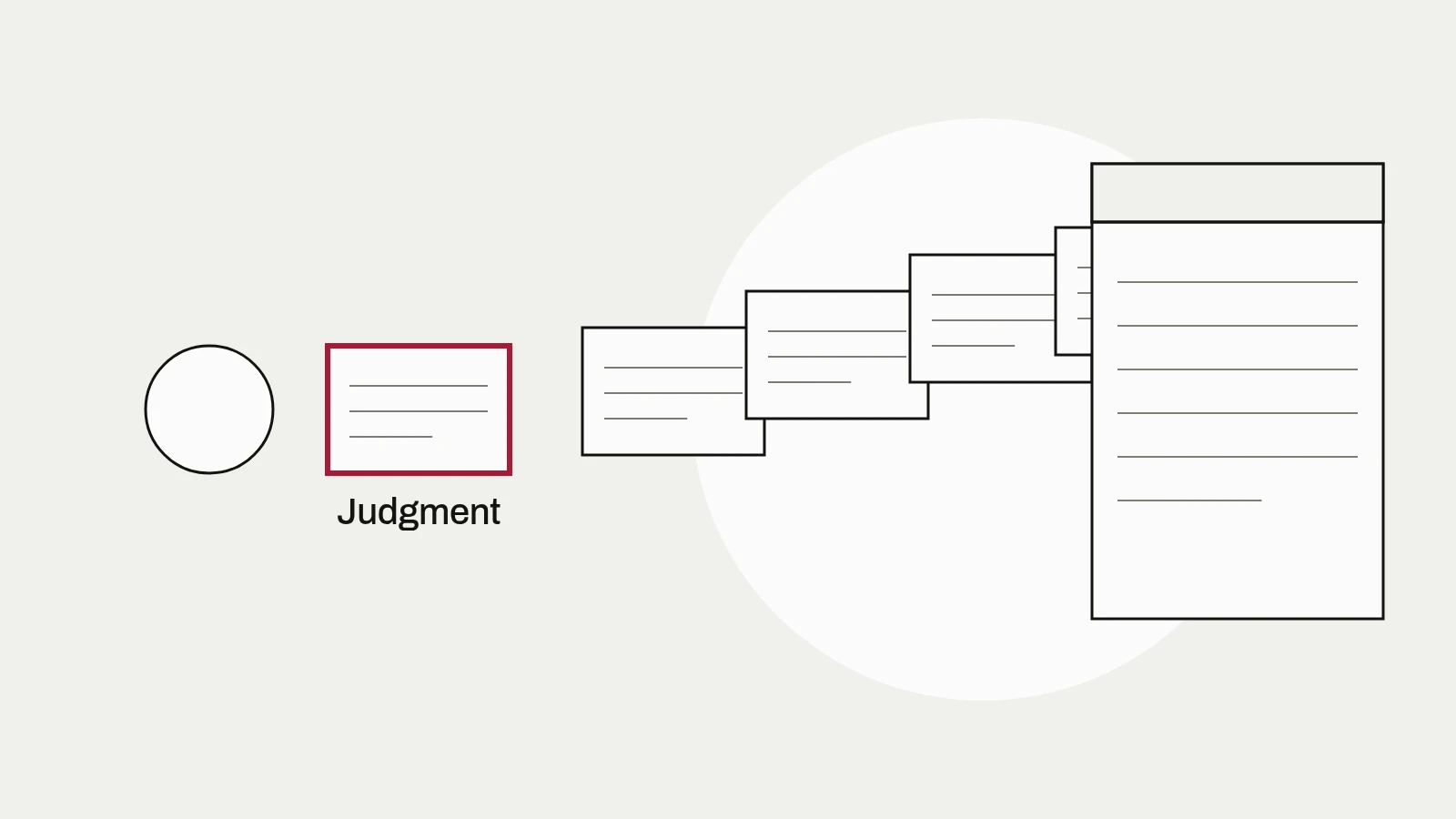
- Judgment. Someone who looks at the draft and says it will confuse the buyer, or that it breaks something the client did not think about.
- Accountability. A named person who owns the result and will still own it next month.
- Taste. Knowing what good looks like for this client's customers, which a generated draft can only approximate.
- Someone who answers when it breaks. The site goes down on a Friday, a campaign goes out with the wrong date, and the client wants a person on the phone.
Owners who kept their best relationships say those clients were rarely paying for output alone. They were paying for the person standing behind it.
The part people do not say out loud
This is the hardest part of the conversation, and the room tends to slow down for it.
There is grief. Some people spent years getting good at something, and now a client treats it as a commodity. That stings in a way that is hard to explain to anyone outside the trade. There is also fear, and it is usually concrete: rent, school fees, money sent home, a lease on a small office. Then there is embarrassment. Owners say they waited months before telling anyone, because losing a client to software felt like a personal failure instead of a market shift.
The immigrant angle comes up often. Many people in the room already rebuilt their craft once. They arrived with skills that did not translate directly, relearned how clients here buy, and built a reputation from nothing. Some say that history helps, because they know they have done it before. Others say it makes this harder, because they thought the rebuilding was over.
Peers can listen and share what they went through. If the weight of it starts to affect your sleep, your health, or how you get through the day, a doctor, therapist, or counselor is the right person to talk to.
What owners say they are trying
These are peer reports, not recommendations. Nobody at the table promises that any of them will work, and some owners tried one approach, dropped it, and moved to another.
Repackaging around outcomes. Some owners stopped selling hours or deliverables and started describing what the client gets: more qualified leads, a site that converts, a launch that goes out on time. They say it changed the conversation from "why should I pay you for this" to "can you get me there." How you present the offer matters as much as the work, a point the go-to-market post makes from a different angle.
Moving up to the part that needs a human. A few owners deliberately let the routine work go and focused on strategy, direction, review, and client relationships. That usually means fewer projects at a higher level. Several say the move took longer than they expected and left a thin stretch in between.
Using the tools themselves. Some owners use the same tools their clients tried and do more for the same client in the same time. They say the gain only lasts while their judgment is part of the package. If they ship whatever the tool produces, the client could have done that alone.
Finding buyers who want a person accountable. Some segments still want a named human responsible for the work, often because the stakes are high, the subject is regulated, or the buyer simply prefers it. Owners who went looking for those buyers describe it as a fresh validation exercise. The market validation post covers how people in the room test a new segment before committing to it.
Most owners who are getting through this are doing more than one of these at once, and they keep adjusting.
When we stop talking
The room is useful for patterns and for company. Bring in licensed help when any of these come up:
- Contracts, intellectual property terms, and what you promise clients about AI use in your work, or what they can do with work you deliver: counsel who handles commercial agreements
- Money decisions such as closing a line of business, cutting staff, taking on debt to bridge a gap, or restructuring how you pay yourself: a CPA or a licensed financial professional
- Stress that follows you home and does not lift: a doctor, therapist, or counselor
These are separate roles, and one person rarely covers all of them.
Soft next steps
Come to the next IFN meetup with one concrete question about your service business: a client you think you are about to lose, an offer you are thinking about repackaging, or a segment you want to test. Guests are welcome; register on Luma or check dates on ifn.community. The meetup happens at Station Austin. If you want the private member channel and members-only call, Become a member. Fuller notes on repositioning a service business live with membership and the Resources hub as that catalog fills in.
Sources
- Leapers, 2025 report on UK freelancers
- Station Austin, stationaustin.org