Getting paid by your first US customers: invoices, payment terms and late payers
The first US yes is not the first US payment. Peer notes on vendor setup, purchase orders, payment terms, invoices that get paid, and following up with late payers.
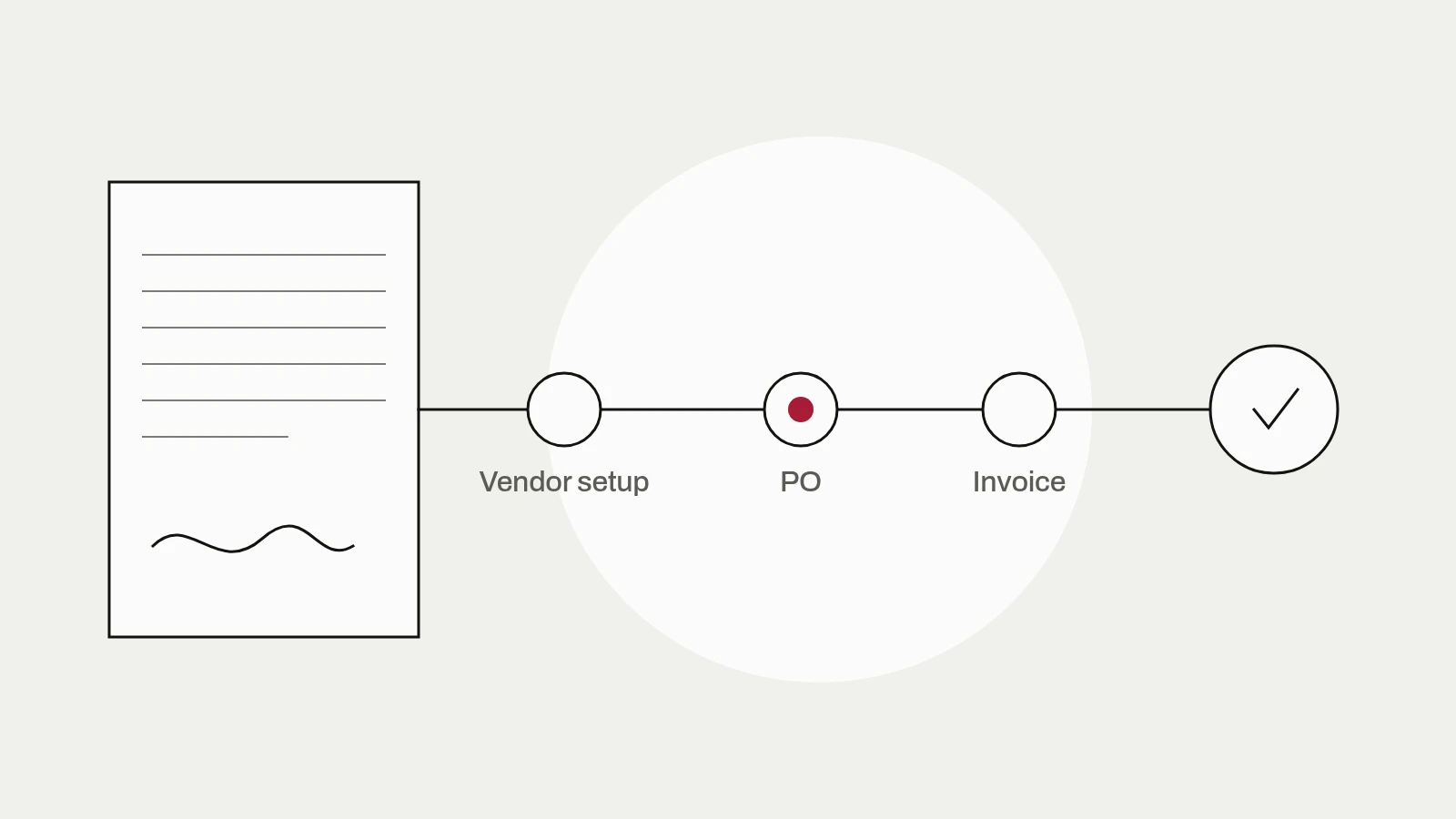
A founder comes to the IFN meetup with good news: their first US enterprise customer has signed. The table congratulates them, someone asks how the demo went, and the talk moves on. Six weeks later the same founder is back with a different question. The invoice went out the day after signing, and nobody has paid it. Nobody has refused to pay it either. It has just gone quiet. Someone across the table asks whether the customer set them up as a vendor, and whether the invoice had a purchase order number on it. The founder had not heard of either, so the answer to both was no.
Some version of this comes up most months. This post is peer orientation on the stretch between a signed deal and money arriving: vendor setup, purchase orders, payment terms, invoices that get paid, and the awkward follow-up with a late payer you want to keep. It is about operations only. It is not a finance playbook, and it does not replace counsel or a CPA.
Disclaimer
This is not legal, tax, immigration, or financial advice. IFN shares what founders in the room tend to talk through. Payment terms, tax forms, sales tax, and how you invoice from a US or foreign entity all depend on your facts. Verify with licensed professionals and official sources before you act.
The yes starts a process on the buyer's side
Founders who have been through this describe the same surprise. The person who said yes was rarely the person who pays. Between the two there is usually a procurement or accounts-payable team with its own process, and that process only starts once someone tells it you exist.
Larger US buyers often run new suppliers through vendor onboarding. That can mean a supplier portal, a set of forms, banking details for payment, and a tax form. For US entities, that form is often IRS Form W-9, and the IRS has an About Form W-9 page that is the official place to start reading. Which form applies to your company, and what goes on it, is a CPA question. The room does not try to answer it.
What peers do pass along is about timing. Ask about vendor setup when the buyer says yes. Who handles supplier onboarding, what they need from you, and whether the invoice should go to a portal or to an inbox. Founders who asked at the yes say it saved them weeks. Founders who waited until an invoice bounced say they found out the order of operations the hard way.
If the buyer asks for US bank details and you are still sorting that out, the banking post covers what people gather first.
Payment terms you agreed to without reading closely
Terms get negotiated. In practice, many founders never really negotiate them. They sign the buyer's paper, or accept the buyer's standard terms, because the deal feels fragile and payment timing seems like a small detail.
Then the cash gap shows up. A founder planned around being paid soon after delivery, and the contract said something else. Some large buyers set their own terms for all suppliers and do not move much. Others will move if you ask before signing, and much less after.
The room has no standard number to offer, and nobody should treat one as a rule. What peers suggest is simpler: read the payment clause before you sign, write down what it actually says, and plan your cash around that date instead of the one you hoped for. If the gap between delivery and payment would hurt, that is a conversation to have during the deal, ideally with counsel looking at the contract. The money questions post covers the broader runway thinking founders do before they land.
Invoices that actually get paid
An invoice can be correct and still sit unpaid because it went to the wrong place or was missing one detail.
Founders who have fixed this describe a short list of causes. The invoice went to their champion, who forwarded it nowhere. It went to a general inbox instead of the portal. It did not carry the purchase order number, so accounts payable could not match it to anything and set it aside. It used a company name or address that did not match what was on file from vendor setup.
None of this needs a clever template. It means asking the buyer's accounts team what they need on an invoice, and then giving them exactly that. Some founders keep a short note per customer: who receives invoices, where they go, which reference numbers belong on them.
One more thing the room raises often: if you are invoicing from a foreign entity, or switching from a foreign entity to a US one partway through a customer relationship, talk to a CPA before you send the invoice. Founders who changed entities without telling the buyer's accounts team say payments stalled while records caught up.
When a payer is late
The Leapers 2025 report on UK freelancers found 67.5% had dealt with late payments. That figure is from the UK, not from US buyers. Late payment is a common worry for small businesses here too. What feels different to newcomers is how to follow up without damaging a relationship they worked hard to win.
Peers describe a rough order:
- A friendly check-in first. Confirm the invoice arrived, ask whether anything is missing, and ask when it is scheduled to be paid. Often something small is missing, and this message finds it.
- Find the accounts-payable contact. Your champion may not know where the invoice is. Ask them, kindly, who in accounts payable you should talk to, and then talk to that person directly.
- Escalate to the person who signed, carefully. If the invoice is well past due and nothing is moving, some founders raise it with their sponsor at the customer. They frame it as asking for help, not as a complaint.
Most founders say tone matters more than speed. A plain, polite message that makes it easy for the buyer to fix the problem usually works better than a firm one.
There is a point where this stops being an ops question. If you are thinking about late fees, interest, pausing service, or formal collections, the room stops there. Those depend on your contract and on law, and they belong with counsel.
Sales tax arrives separately
Sales tax is the one founders hear about last. If you sell taxable goods or services in Texas, the Texas Comptroller handles sales tax permits, and the Comptroller's permit page is the official starting point. Whether what you sell is taxable, where you owe, and what to put on your invoices are questions for a CPA. Peers bring up the topic so nobody is surprised by it. They do not try to settle it.
When we stop talking
The room is useful for spotting patterns early. Bring in licensed help when any of these come up:
- Contract terms, payment clauses, and late-payment provisions: counsel who works with US commercial agreements
- Collections, late fees, interest, or pausing service for nonpayment: counsel, before you act
- Which tax forms your company should provide, sales tax, and income tax treatment of US revenue: a CPA, ideally one with cross-border experience
- Invoicing from a foreign entity, or moving customers from one entity to another: a CPA
These are separate roles, and one professional rarely covers all of them.
Soft next steps
Come to the next IFN meetup with one concrete getting-paid question: a vendor portal you are stuck in, a payment clause you are unsure about, or an invoice that has gone quiet. Guests are welcome; register on Luma or check dates on ifn.community. The meetup happens at Station Austin. If you want the private member channel and members-only call, Become a member. Fuller invoicing and accounts-receivable notes live with membership and the Resources hub as that catalog fills in.
Sources
- Internal Revenue Service, About Form W-9
- Texas Comptroller of Public Accounts, Sales tax permits
- Leapers, 2025 report on UK freelancers (late payments)
- Station Austin, stationaustin.org