Money questions international founders sort before they land in the US
Credit from zero, moving money, keeping company money separate, and home-country ties: what peers at IFN Austin wish they sorted before landing.
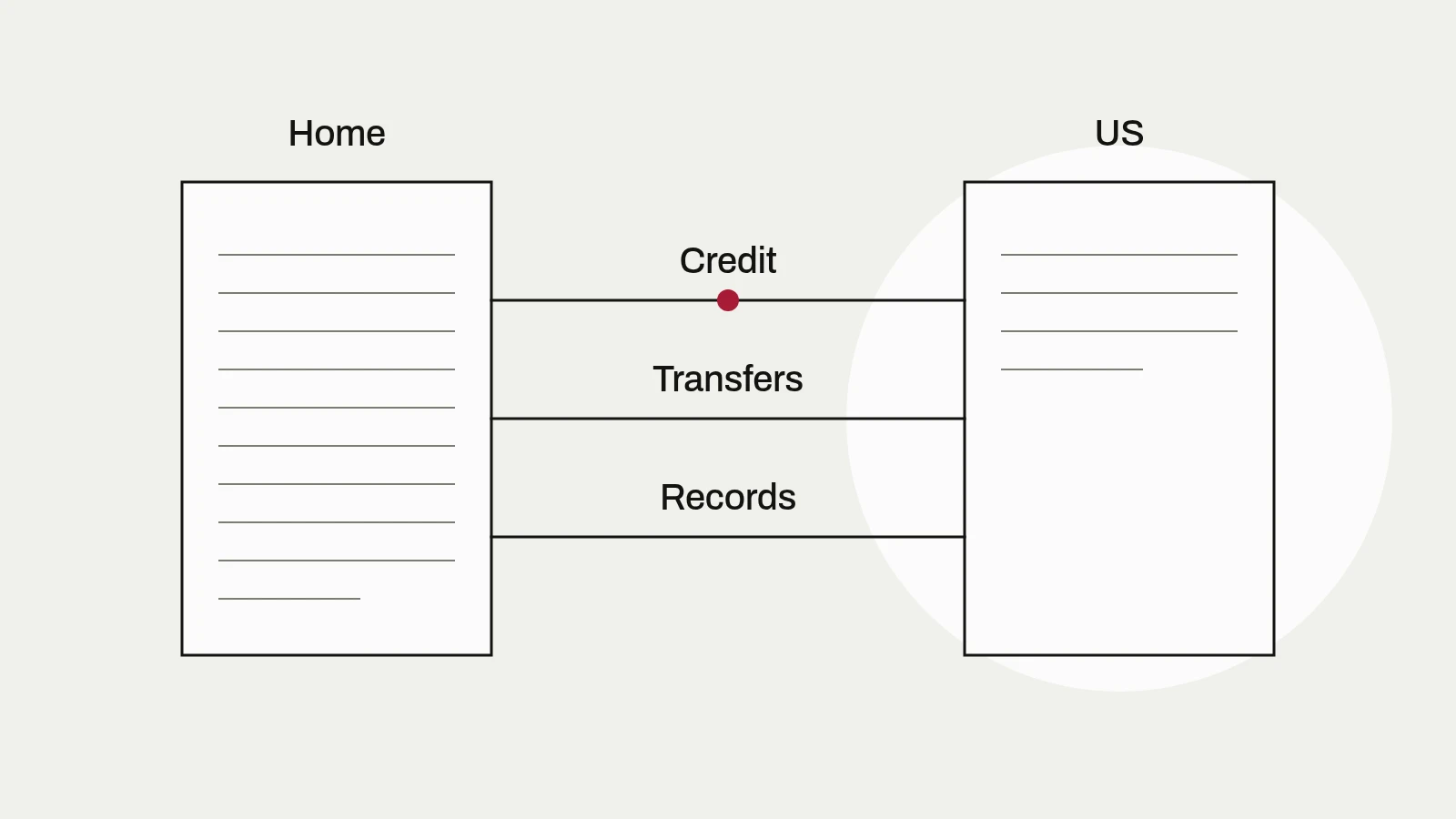
Someone at the IFN Austin meetup usually has a version of this story. They went into a phone store expecting a simple monthly plan and came out with a request for a deposit. A week later, the apartment they wanted asked for a deposit too, and suggested a guarantor they did not have. Back home they had years of clean credit, loans paid on time, and a bank that knew them by name. None of it counted here. The founder next to them nods, because the same thing happened to them in their first month.
This is peer orientation from that room: the money questions founders wish they had worked through before boarding the plane. It won't replace a financial plan, and it isn't a checklist to run line by line.
Disclaimer
This is not legal, tax, immigration, investment, or banking advice. IFN shares what founders in the room tend to talk through. Credit rules, reporting thresholds, tax residency, and transfer regulations change, and they depend on your facts and your home country. Verify with licensed professionals and official sources before you act.
The questions worth answering before you fly
When peers look back, the money surprises tend to land in a few places: credit from zero, moving money across borders, keeping personal and company money apart, what still lives back home, and what the move itself costs. What follows is how the room talks about each. Fuller pre-arrival notes live with membership and Resources.
Credit starts at zero
The thing most newcomers find hardest to accept is that a strong credit record at home usually does not follow you. US lenders, landlords, and phone carriers check US credit reports, and when you first arrive you have no file there at all. To them you look the same as someone who has never borrowed anything.
Founders describe building it slowly and on purpose. A pattern that comes up often is a secured card, where a deposit backs a small limit and on-time payments slowly build a US history. A few people mention services that claim to bring foreign credit history across. Results in the room have been mixed, so peers ask around before counting on one.
Many applications ask for an SSN or ITIN, which ties credit building back to the identity paperwork from your first weeks. Peers also suggest checking your own report once a file exists, partly to catch errors and partly to understand what lenders actually see. The Consumer Financial Protection Bureau at consumerfinance.gov has plain explanations of credit reports, scores, and how to dispute mistakes.
Peers plan for deposits and slower approvals in the first months. It happens to most new arrivals and says nothing about you.
Moving money across borders
Most founders in the room have moved money internationally, and many have a story about a transfer that cost more or took longer than expected.
Exchange costs hide in the rate. Beyond any visible fee, there is often a gap between the market exchange rate and the rate you actually receive. On a large transfer, that gap can matter more than the fee. Peers compare the amount that lands, not the advertised fee.
Timing is slower than you think. International transfers can take days, and a first large transfer may trigger extra review on either end. Some home countries also have rules or limits on moving money out. Founders who needed funds for a lease deposit on a specific date learned to send early.
Records matter later. Peers save the confirmation for each transfer with a short note on why the money moved. Later, a CPA, a bank compliance team, or sometimes an immigration filing may ask where money came from. Rebuilding that trail a year later is miserable.
Personal money and company money
The room is close to unanimous on this one: do not mix them.
The company account follows formation, because banks will want formation documents and an EIN before they open it. If you are still in that stage, US business banking for international founders: what peers gather first covers what people pull together. Until the company account is open, some founders end up paying early company costs personally. Peers who did this and kept receipts were fine. Peers who did not spent a weekend untangling a card statement before their first tax filing.
How money goes from you into the company also matters. Founder loans, capital contributions, and reimbursements are treated differently, and the right structure depends on your situation. That is a CPA conversation. The peer habit is simpler: write down every movement between your personal accounts and the company's, as it happens.
The home-country side does not disappear
Leaving a country does not automatically end your obligations there. Founders mention bank accounts that need to stay active, loans still being repaid, property, pensions, and family support they send regularly. Some home countries continue to treat you as a tax resident for a period after you leave, or based on ties you keep.
A small practical note that comes up more than you would expect: many home-country banks send login codes to your home phone number. People who let that number lapse have been locked out of their own accounts from Austin. Peers sort out how they will keep access before they leave.
Peers who had a smooth first year usually had a CPA in each country, and sometimes got the two talking to each other early.
US reporting for foreign accounts
This one gets a plain flag. The IRS describes a yearly reporting requirement for some US persons with financial accounts outside the US above certain thresholds, often called the FBAR. It explains the rules on its Report of Foreign Bank and Financial Accounts (FBAR) page.
Whether it applies to you, and from when, depends on your tax status and your accounts. That is a question for a CPA, and founders in the room are careful not to guess for each other.
Runway for the move itself
Founders often budget carefully for the company and forget that the move has its own cost. Short-term housing while you look, lease and utility deposits, phone deposits from that opening story, furniture, transport, and professional fees for formation, tax, and immigration help all arrive in the first months. Some people pay rent in two cities for a stretch.
The pattern peers suggest is to keep a separate number for landing costs, so the company's runway is not quietly eaten by your personal setup. Bring your actual estimate to a meetup. People who landed recently will tell you what they forgot.
When we stop talking
Bring in licensed help when any of these show up:
- Tax residency in either country, foreign account reporting, how you fund the company, and how you pay yourself: a CPA with cross-border experience
- Investments, pensions, or moving larger sums between countries: a financial advisor licensed in the relevant country
- Any situation where proof of funds or source of funds matters for your status: immigration counsel (the room's limits here are in Visa paths founders talk about at IFN)
These are different seats, and one person rarely covers all of them.
Soft next steps
Come to the next IFN meetup with one concrete money question: a deposit you were asked for, a transfer you are planning, or a home-country account you are unsure about keeping. Guests are welcome; register on Luma or check dates on ifn.community. If you want the private member channel and members-only call, Become a member. Fuller pre-arrival financial checklists and credit-building notes live with membership and the Resources hub as that catalog fills in.
Sources
- Consumer Financial Protection Bureau, consumerfinance.gov
- IRS, Report of Foreign Bank and Financial Accounts (FBAR)