Fundraising as an international founder: what changes in the US conversation
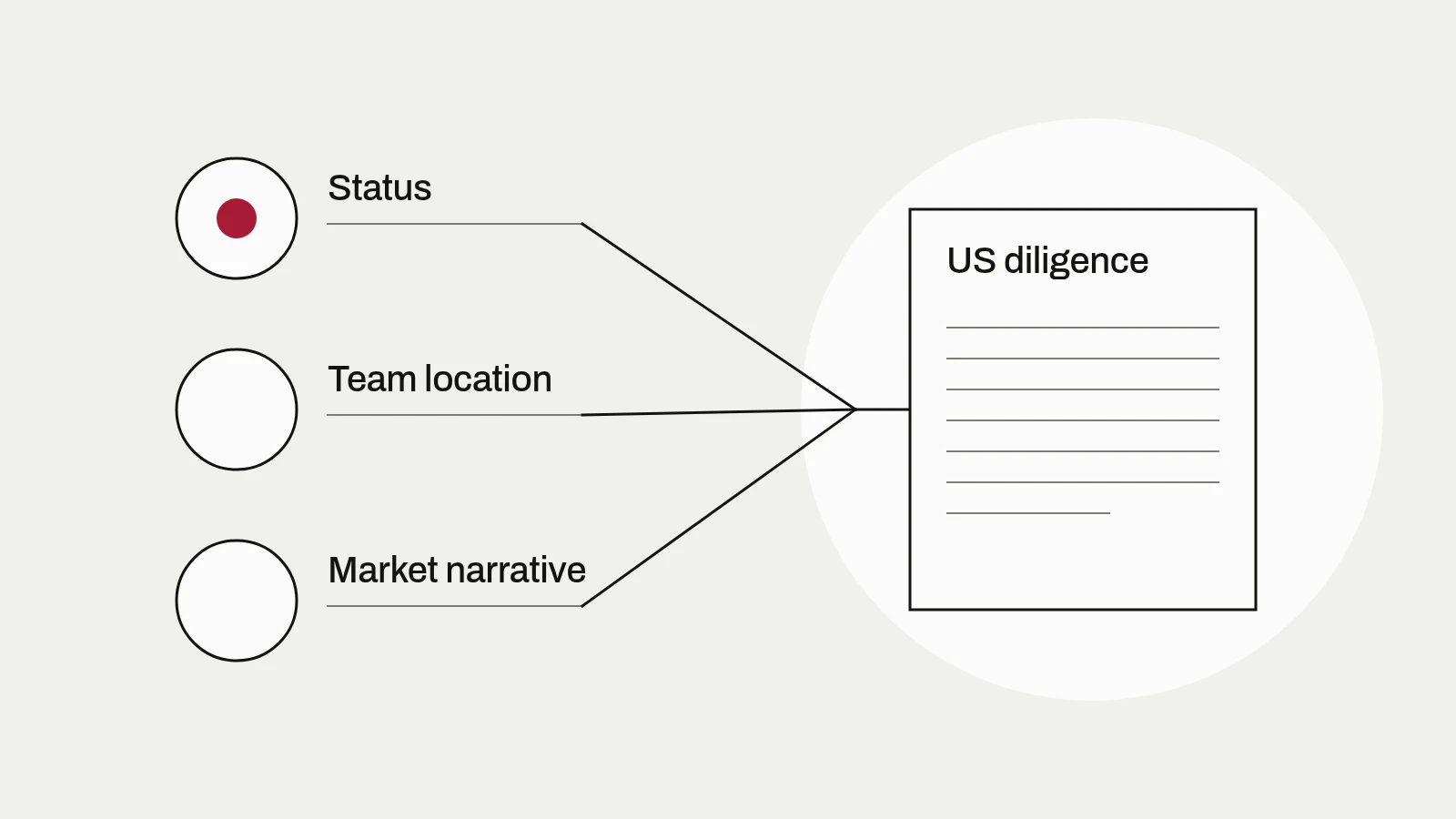
Status, team location, and market narrative show up in US diligence. Peer prep from the IFN Austin room, not a pitch template.
Two founders are comparing notes at a corner table during an IFN meetup. One has just finished a round of calls with US angels. The other raised a seed round back home two years ago and is preparing for a US round now. The first one says the investor conversations went fine until about minute twenty, when the questions moved away from the product. "Where do you live? Who is on payroll? What happens if you cannot get back into the country?" The second founder nods and starts writing things down.
This is peer prep from that room: what tends to come up when international founders raise in the US, and how people prepare for it. Not a pitch template. Not an investor list. Not legal guidance.
Disclaimer
This is not legal, securities, tax, immigration, or financial advice. IFN shares what founders in the room tend to talk through. Every raise and every founder's status is different. Verify with licensed professionals and official sources before you act.
What changes compared with raising abroad
Founders who have raised in other markets often describe the US conversation as familiar on the surface and different underneath.
The metrics questions are similar everywhere: traction, retention, market size, team. What changes is how much attention goes to the structure around the founders. US investors who do not often back international founders can be more careful about status, location, and company setup. They may not say so directly. The questions just keep coming back to those areas.
Founders who have talked with non-US angels, or with angels from their own diaspora, often notice that those investors took certain things for granted. A US investor without that context may ask about them all at once. That is not necessarily a bad sign. It is usually an investor trying to understand a risk they have not had to think about before.
Status questions that show up
These questions come up in the room again and again. Peers share them as orientation so you are not surprised, not as a guide to answering them.
- Work authorization. Investors may ask what your current status allows you to do in relation to the company, and whether that changes after a raise.
- Travel risk. Some ask what happens if a founder cannot re-enter the US for a stretch, or has to leave for a renewal process.
- Who can be on payroll. Questions about which founders and early employees can be paid by the US entity, and from where.
The pattern founders describe is simple. Know your own situation well enough to explain it calmly, and have counsel behind you for the details. When a founder can say their current status, what immigration counsel has advised, and the plan if it changes, investors tend to move on. When a founder guesses, the conversation tends to stall.
Peers are clear about one thing: questions about how a raise interacts with your status belong with an immigration attorney before you are in the investor meeting, not after.
Team location and the Austin story
Many international founders run teams spread across their home country, the US, and sometimes a third place. Investors will ask where the team sits and why.
Founders who have handled this well tend to describe the setup as it actually is. Engineering might be in one country, the founder and early go-to-market might be in Austin, and here is how the time zones work. Peers say a clear, real arrangement goes over better than an attempt to look more local than you are.
The room is skeptical of local-presence theater: a virtual address with nobody behind it, or claiming Austin as headquarters when nobody spends meaningful time there. Investors who do diligence tend to find out, and it costs credibility you need later.
Market narrative: why the US, why Austin
Investors want to know why US customers, and why now. Founders who come from strong home markets sometimes treat the US as the obvious next step without explaining it.
Peers who have been through it suggest grounding the story in evidence: US customers you already have, conversations with US buyers, or a specific reason your product fits this market. "Why Austin" works the same way. If you are here because your customers, your partners, or your co-founder are here, say that. If it is mainly because you like the city, that is fine too, but it does not make a market argument on its own.
Diligence documents peers gather
When a raise gets serious, investors and their counsel ask for documents. Founders who have been through it say the scramble is much smaller if a few things are in order before the first meeting. At a high level, the areas that come up are:
- Company paper: formation documents, governance records, and anything showing the entity is in good standing
- Cap table clarity: who owns what, whether earlier rounds or agreements from your home market are reflected cleanly, and whether any founder equity questions are still open
- Banking readiness: a working US business account that can receive funds, plus a clear picture of how money moves between entities if you have more than one
The item-by-item pack language lives deeper with membership and Resources, not in this orientation post.
How peers actually prep
A few habits come up repeatedly in the room:
- Run a practice conversation with a peer who has raised in the US and ask them to press hard on status and location
- Write down your own one-paragraph explanation of your status, team setup, and company structure, then check it with counsel
- Get your cap table and company records cleaned up before the first meeting
- Talk to other international founders who raised from the investors you are approaching. Some investor groups focus specifically on immigrant founders. Ask peers who have direct experience before you go in.
When we stop talking
Call licensed professionals when any of these show up:
- You need securities counsel for the raise itself: instruments, terms, and compliance with securities law
- Equity, vesting, or board control might interact with a visa strategy
- Cross-border tax questions on founder compensation, entity structure, or how the raise affects companies in more than one country
- Someone offers you a "guaranteed" raise path tied to a visa story in a group chat
Securities counsel, immigration counsel, and a CPA who has worked with non-resident founders are different seats. Coordinate them early when a raise and a status plan are moving at the same time.
Soft next steps
Come to the next IFN meetup with one concrete fundraising prep question, such as a status question you expect from investors or a cap table issue you are unsure how to explain. Guests are welcome; register on Luma or check dates on ifn.community. If you want the private member channel and members-only call, Become a member. Fuller diligence prep lives with membership and the Resources hub as that catalog fills in.
Sources
This post is peer prep from the IFN Austin room. For anything tied to your specific status, securities, or tax position, go to qualified counsel and official government sources.