First 90 days in Austin as an international founder
Housing, neighborhoods, documents, and local ops peers at IFN Austin talk through so the company survives landing.
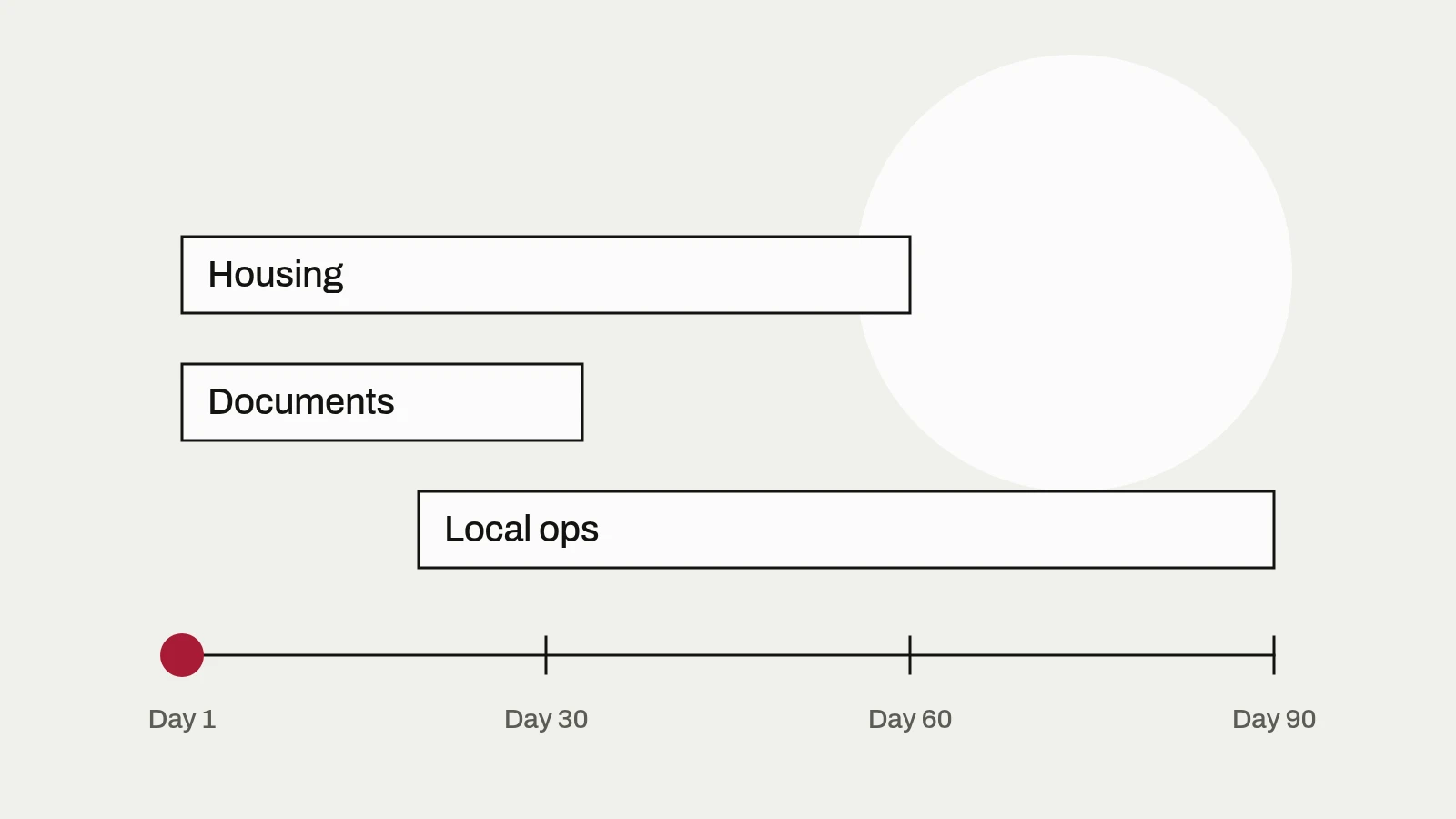
Austin's in-person meetups often have one founder holding a phone with a map open, asking the room which part of town they should actually live in. They landed two weeks ago. The company is formed, the bank account is half open, and they have spent their first ten days in a short-term rental. They are trying to work out whether to sign a twelve-month lease before they know where they will spend most of their time. Someone across the table laughs, because they asked the same question a year earlier.
This is peer orientation from that room: where people live, which documents everyone ends up scrambling for, and how to keep the company running while your personal life is still in boxes. Not a relocation checklist. Not a substitute for counsel.
Disclaimer
This is not legal, tax, immigration, housing, or banking advice. IFN shares what founders in the room tend to talk through. Lease rules, fair housing questions, tax residency, and status limits change with your facts. Verify with licensed professionals and official sources before you act.
First weeks versus first 90 days
Founders who have been through it describe two different jobs.
The first few weeks are about landing. You need a place to sleep, a working phone number, a way to get around, and a mailing address that will still be valid next month. Most people underestimate how much of this depends on documents they left in a drawer back home.
The first 90 days are about making sure the company survives the move. Payroll, invoices, bank logins, registered agent mail, and investor updates all keep going whether or not you have furniture. Peers who struggled usually let the company side drift while they sorted out housing, then spent a month catching up.
A pattern the room keeps returning to is to treat these as three separate tracks:
- Personal landing (housing, phone, transport, your own ID and paperwork)
- Company paper (entity, registered agent, state filings, contracts)
- Money rails (business banking, payment processors, how money moves between your home country and the US entity)
They overlap, but they break in different ways. A lease delay should not hold up a payroll run, and a bank asking for proof of address should not stop you signing a customer. Keeping the tracks apart in your notes makes it easier to see which one is actually stuck.
Housing patterns peers talk about
Nobody in the room will hand you a ranking of neighborhoods, and you should be wary of anyone who does. What you will hear instead are patterns.
Short-term first, lease second. Many founders start with a furnished short-term place for a month or two, then sign a longer lease once they know where they will spend their days. The trade-off is cost and some instability against making a twelve-month commitment before you know the city.
Roommate or solo. Some newcomers share a place with another founder or a professional they meet through the community, which can make lease approval easier when you do not have US credit history. Others need a quiet solo setup for late calls across time zones. Both are common. The right choice depends on your work hours more than anything else.
Neighborhoods people mention. A few areas come up again and again in conversation, each for its own reasons:
- Downtown, near Station Austin at 701 Brazos St. Walkable to coworking, meetups, and a lot of daytime meetings. People mention it when they want to live close to where the founder community gathers.
- East Austin. Founders bring it up for residential streets, cafes, and proximity to downtown.
- North Austin and the Domain side. It comes up among people who work with larger tech employers up north or want more space.
- The South Congress corridor. People mention it for its own neighborhood feel and easy access back into downtown.
Prices, availability, and how people feel about each area change. Talk to people who live there now before you decide. Bring your actual constraints to the meetup (car or no car, how often you need to be downtown, budget range) and you will get far more useful answers than "where should I live?"
Documents people scramble for
Almost everyone in the room has a story about a document they did not think they would need.
Passport and status paperwork. Keep copies in more than one place. You will be asked for ID constantly in the first month: for leases, phone plans, banks, and sometimes building access.
Lease or proof of address. Banks, utilities, and some government processes ask for proof that you live where you say you live. Founders in short-term rentals sometimes find this harder than expected. Ask early what your landlord or host can provide in writing.
SSN or ITIN. This comes up as a peer operations note, not advice. Some people are eligible for a Social Security number based on their status. Others who are not may need an Individual Taxpayer Identification Number for certain tax purposes. Which one applies to you, and when, depends on your facts. Start at the IRS ITIN page and the Social Security Administration number and card page. If you are unsure which applies, that is a question for a professional.
Company documents, separate from personal ones. Formation papers, EIN confirmation, and operating or governance documents belong to the company track. Peers suggest keeping them in their own folder so you are not digging through lease PDFs during a bank call.
Local operations
Getting around. Austin is spread out. Some founders downtown get by on walking, rideshare, and public transit for a while. Others decide quickly that they need a car, which brings its own questions about licenses and insurance. Check official Texas sources for licensing rules that apply to your situation rather than relying on what worked for a friend.
Phone and utilities. A US phone number early on helps with almost everything, from two-factor codes to landlord calls. Utility setup depends on your building and address, so ask your landlord what is already included.
A place to work. Many international founders use Station Austin at 701 Brazos St for coworking, especially in the first months when home is not set up yet. You also end up around other founders, which matters when you do not know anyone yet.
Getting to the IFN meetup. The IFN monthly in-person meetup for international and immigrant founders happens at Station Austin. Newcomers who come in their first month or two tend to find the landing goes faster, because they can ask about a landlord, a bank, or a document problem and usually find someone who has dealt with it.
When we stop talking
Call licensed professionals when any of these show up:
- Immigration status questions, including what your visa allows you to do with your company, travel plans, and timing
- Housing discrimination or lease disputes that escalate beyond peer tips
- Tax residency questions: when you become a US tax resident, how that interacts with your home country, and how it affects your company
Immigration counsel, a housing or civil attorney when needed, and a CPA with cross-border experience are different seats.
Soft next steps
Come to the next IFN meetup with one concrete landing question: a neighborhood you are weighing, a document a bank asked for, or a lease decision you are stuck on. Guests are welcome; register on Luma or check dates on ifn.community. If you want the private member channel and members-only call, Become a member. Fuller relocation checklists and city notes live with membership and the Resources hub as that catalog fills in.
Sources
- IRS, Individual Taxpayer Identification Number (ITIN)
- Social Security Administration, Social Security number and card
- Station Austin, stationaustin.org