Building your first 50 connections in Austin from zero
Meetup-first networking for international founders new to Austin: where peers start, how they follow up, and what backfires.
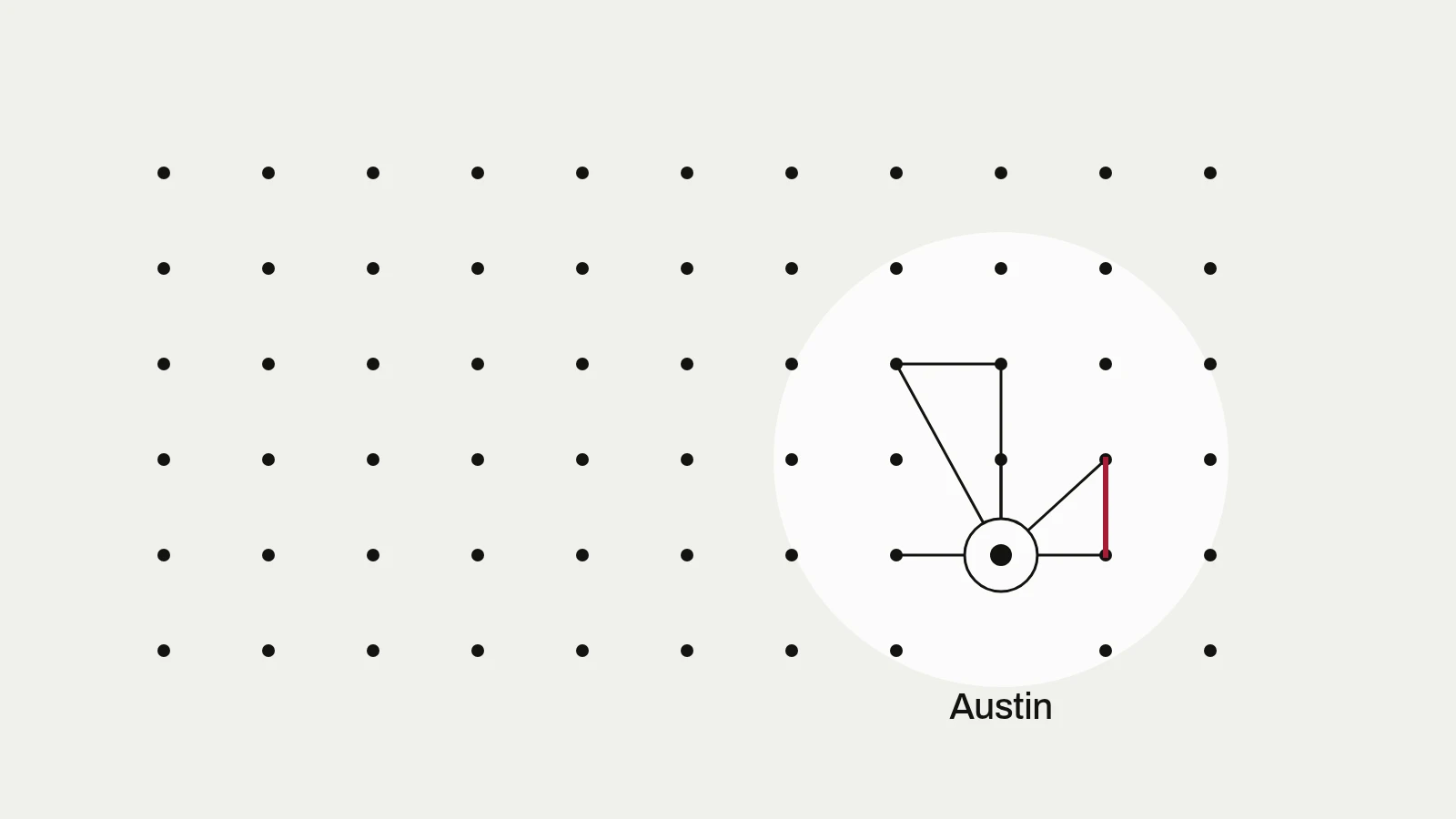
A common first night at the IFN meetup goes something like this. A founder walks into Station Austin knowing nobody, picks up a name tag, and spends ten minutes near the wall pretending to read their phone. Someone asks what they are building. They explain it badly, then better the second time. By the end of the evening they have talked to six or seven people and forgotten most of the names. They have written down two that matter: a founder who opened a US bank account last year with the same company structure, and someone who sells to the same kind of customer back home. That is two follow-ups, and it counts as a good first night.
This is peer orientation from that room. It covers how founders build a working local network from nothing: where people start, what they do after the first conversation, and what tends to backfire. It is not a networking playbook.
Disclaimer
This is not legal, tax, immigration, financial, or hiring advice. IFN shares what founders in the room tend to talk through. Introductions made at events are between the people involved. IFN does not vet the service providers, vendors, or advisors you meet there. Check credentials and official sources before you rely on anyone.
Why fifty, and why it stays loose
Fifty is a loose target, and nobody in the room is counting. What matters is the definition. A connection here means someone who would answer a message from you and remember who you are. A LinkedIn acceptance does not count, and neither does a business card left in a jacket pocket.
Founders who have been in Austin for a year or so describe the same shift. Once you have a few dozen of those relationships, the city starts to feel smaller. A question about a landlord, a payroll provider, or a first enterprise customer gets a fast answer because you know who to ask. Before that point, every question feels like starting from scratch.
Some people get there in a few months. Others take longer because they fly home often or keep late hours for a team in another time zone. Both are normal.
Meetup first
Most peers describe the same order: in-person rooms first, online second. Online works well for keeping a connection warm. It is a slow way to start one, especially when nobody here knows your name yet.
The IFN monthly in-person meetup for international and immigrant founders happens at Station Austin, 701 Brazos St. It makes a good first room because everyone there has dealt with some version of your situation: a company formed from abroad, a bank asking for unusual documents, a visa question that shapes what you can do. You do not have to explain why things are complicated. If you are new to IFN overall, Welcome to the IFN blog covers what this space is for.
Station Austin hosts other founder events in the same building through the month. After one IFN meetup, you will often recognize people at those too, and a second conversation with a familiar face moves faster than a first one with a stranger.
The room keeps coming back to one habit: bring one concrete ask to each event. "I am looking for a bookkeeper who has worked with companies that have a parent abroad" gets you a name. "I am trying to meet people" gets you a polite nod. A specific ask also gives other people an easy way to help, and that is how a lot of these relationships start.
Reuneo rounds at the meetup
IFN meetups use Reuneo for speed networking. You get short, structured conversations and rotate through several people in a set block of time. For newcomers, this removes the hardest part, which is walking up to a stranger.
Peers treat those rounds as a filter. A few minutes is not enough to settle anything. You are looking for two or three people worth a longer conversation later, over coffee or a call. Jot a quick note after each round about why someone stood out. By the end of the night the faces blur together, and the note is what you will use.
Follow up once, and make it specific
Most first conversations die at the follow-up. Founders who build their networks steadily tend to do three things. They write within a few days, while both people still remember the conversation. They mention something specific that was said, so the message could only have come from them. And they offer something before asking for anything.
Offering is easier than it sounds when you are new. You know a home market that most people in Austin know little about. Real offers include a short note on how customers buy in your country, an intro to someone back home, or a resource that helped during your own company setup.
Then follow up once. If it goes quiet, let it go. People are busy, and the next meetup gives you a natural second chance. Fuller notes on follow-up habits live with membership.
Three layers worth building
It helps to notice which kind of connection you are short on.
Peers a step ahead. These are founders who did what you are about to do six to eighteen months ago. They remember the details that official pages leave out, such as which document a bank actually wanted. In the first year, these tend to be the most useful relationships.
People in your industry. This means customers, potential partners, and operators at companies in your space. Austin has deep clusters in some sectors and thin ones in others, so ask the room where your people gather instead of guessing.
Service providers. You will meet plenty of lawyers, accountants, bankers, and vendors at events. Meeting someone at an IFN event does not mean IFN endorses them. Peers ask founders who have actually hired them, check licensing where it applies, and get scope and fees in writing before any work starts.
What tends to backfire
Sending a LinkedIn request to everyone on an attendee list is the mistake peers mention most. It feels productive, but it mostly produces a list of strangers who will not recognize your name.
Pitching in the first minute is close behind. Asking about someone's work, or what brought them to Austin, usually leads to a better pitch later because by then they want to hear it.
Collecting badges also catches people out: four events a week, a stack of cards, and no follow-up on any of them. One event a week with two real follow-ups tends to build more.
When we stop talking
Peer intros are a starting point. Bring in licensed help when any of these come up:
- An intro turns into a contract, partnership agreement, or reseller deal
- Someone offers you equity or advisor shares, or wants to invest
- You are about to hire or contract someone you met, especially across borders or if your status limits what you can do
- Money will move between your home-country entity and your US company as part of a new relationship
Corporate counsel, immigration counsel, and a CPA with cross-border experience each cover different questions.
Soft next steps
Come to the next IFN meetup with one concrete connection question: a kind of customer you want to meet, a service provider you are trying to find, or a peer who has done the thing you are about to do. Guests are welcome; register on Luma or check dates on ifn.community. If you want the private member channel and members-only call, Become a member. Fuller notes on follow-up habits and local founder rooms live with membership and the Resources hub as that catalog fills in.
Sources
- Station Austin, stationaustin.org
- Reuneo, reuneo.app